
1. Material Overview
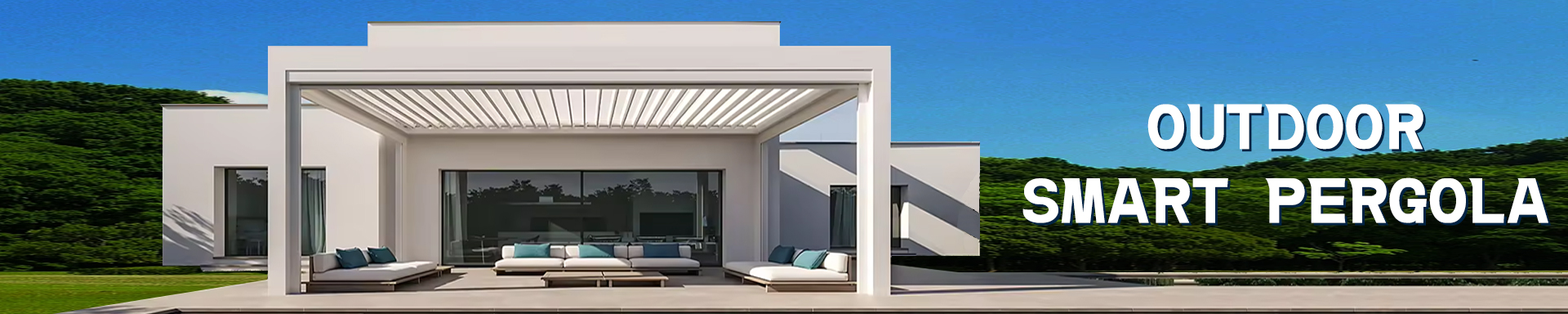
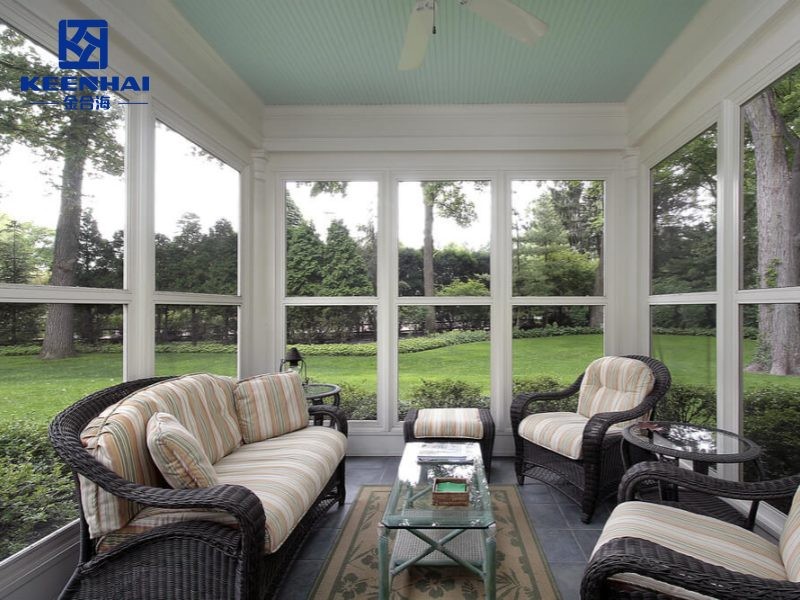
When it comes to Aluminum Outdoor Sunrooms, selecting the right materials is the foundation for durability, performance, and aesthetics. Aluminum provides a lightweight yet strong frame that resists corrosion and requires minimal maintenance, making it ideal for outdoor environments with variable weather conditions. Many homeowners choose aluminum sunrooms for their backyard or patio extensions because the material combines structural strength with sleek modern lines. In practice, aluminum frames can be powder-coated in various colors to match home exteriors, offering both longevity and design flexibility. A typical aluminum sunroom installation in a suburban backyard demonstrates how the material maintains stability under wind and rain while supporting large glass or polycarbonate panels for maximum light exposure.
1.1 Properties of Glass in Aluminum Outdoor Sunrooms
Glass panels in aluminum sunrooms deliver excellent clarity and natural light, enhancing the connection between indoor and outdoor spaces. Tempered or laminated glass provides added safety and impact resistance, making it suitable for family-friendly designs. Energy efficiency is a key consideration, as double or triple glazing can significantly reduce heat loss in winter and limit heat gain in summer. Glass also offers superior sound insulation, creating a peaceful environment even in noisy urban settings. Homeowners often pair glass with aluminum frames to create a modern, open feel for patios or backyard extensions, and this combination has been widely used in projects where unobstructed views and premium aesthetics are essential.
1.2 Properties of Polycarbonate in Aluminum Outdoor Sunrooms
Polycarbonate panels are a lightweight alternative to glass that offers high impact resistance and flexibility, making them ideal for areas prone to hail or accidental impacts. Unlike glass, polycarbonate filters UV rays effectively while still allowing ample natural light to enter the sunroom. This material also provides superior insulation relative to single-pane glass, helping maintain comfortable indoor temperatures year-round. Polycarbonate is easier to handle during installation, allowing for quick and precise cuts without special tools. To give a practical comparison, here’s how glass and polycarbonate stack up in key performance areas:
| Property | Glass | Polycarbonate |
|---|---|---|
| Weight | Heavy | Lightweight |
| Impact Resistance | Moderate (tempered stronger) | Very High |
| Light Transmission | Excellent | Good (slightly diffused) |
| Insulation | Moderate to High (double/triple) | High |
| UV Protection | Limited (needs coating) | Excellent |
| Maintenance | Low, but can scratch | Very Low, durable |
Aluminum frames paired with either glass or polycarbonate provide flexibility depending on your project needs. For example, a suburban sunroom with polycarbonate panels can withstand occasional hailstorms while maintaining a bright, airy feel. Meanwhile, glass panels give a more premium appearance and unmatched transparency, making them popular in high-end backyard sunroom designs. Both materials integrate seamlessly with aluminum, creating durable and visually appealing outdoor living spaces.
2. Durability and Longevity
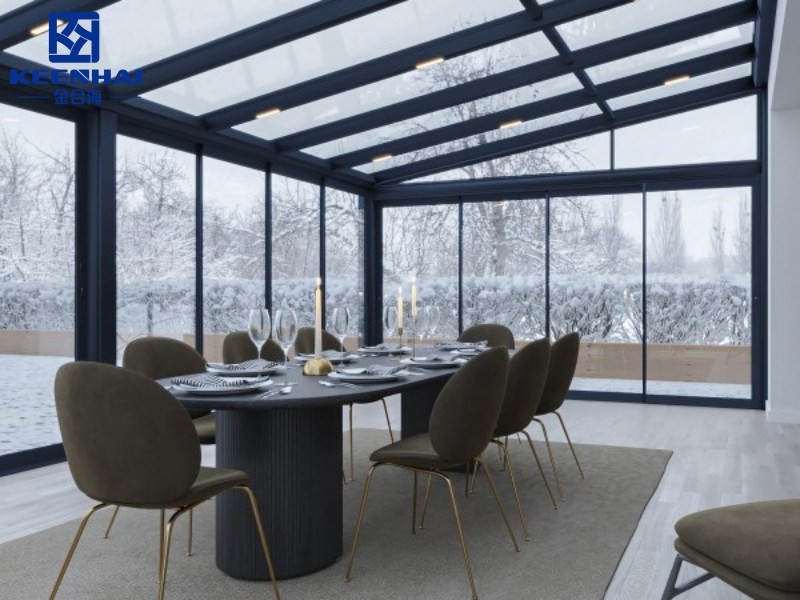
When evaluating Aluminum Outdoor Sunrooms, durability and lifespan are critical factors. Aluminum frames resist rust and corrosion, even in coastal environments with high humidity or salt exposure. The material maintains structural integrity for decades when combined with high-quality powder coating or anodized finishes. Glass and polycarbonate panels contribute differently: tempered glass can last 20–30 years with proper care, whereas UV-stabilized polycarbonate typically retains clarity and strength for 10–15 years. Homeowners report that a well-built aluminum sunroom installed in regions with frequent rain or snow requires only minimal upkeep, such as cleaning panels every 3–6 months and checking frame fasteners annually. These real-world scenarios demonstrate why aluminum sunrooms remain a long-term investment for outdoor living spaces.
2.1 Resistance to Weather and UV Exposure
Aluminum frames paired with either glass or polycarbonate withstand extreme weather conditions. Polycarbonate panels block up to 99% of harmful UV rays, preventing fading of furniture or flooring inside the sunroom. Glass panels, when laminated or coated, offer moderate UV protection while allowing superior light transmission. Key steps to ensure maximum resistance include:
-
Selecting powder-coated or anodized aluminum finishes for corrosion resistance.
-
Installing proper sealing and flashing around panel joints to prevent water intrusion.
-
Choosing polycarbonate sheets with UV stabilizers or tempered glass with low-E coatings.
In practical terms, a backyard sunroom exposed to direct sunlight in Arizona or Florida can maintain material performance for over 15 years if these steps are followed. Both materials also resist deformation under heat, with polycarbonate panels expanding slightly (approx. 0.5–1 mm per meter in extreme temperatures) but remaining fully functional.
2.2 Impact Resistance and Maintenance Needs
Impact resistance varies significantly between materials. Polycarbonate panels withstand hailstones up to 25 mm in diameter without cracking, whereas standard glass panels require tempered treatment for similar protection. Maintenance for aluminum sunrooms is straightforward:
-
Rinse frames with mild soap and water every few months.
-
Inspect fasteners and seals twice a year, tightening or replacing as needed.
-
Remove debris such as leaves or dust from panel surfaces to prevent scratches and water pooling.
A practical example: a durable Aluminum Sunroom Outdoor installed in a suburban backyard with heavy seasonal storms survived multiple hail events without structural or panel damage. Over time, minor surface cleaning maintained the sunroom’s visual appeal, demonstrating that aluminum combined with high-performance panels ensures long-term usability with minimal intervention.
3. Thermal Performance
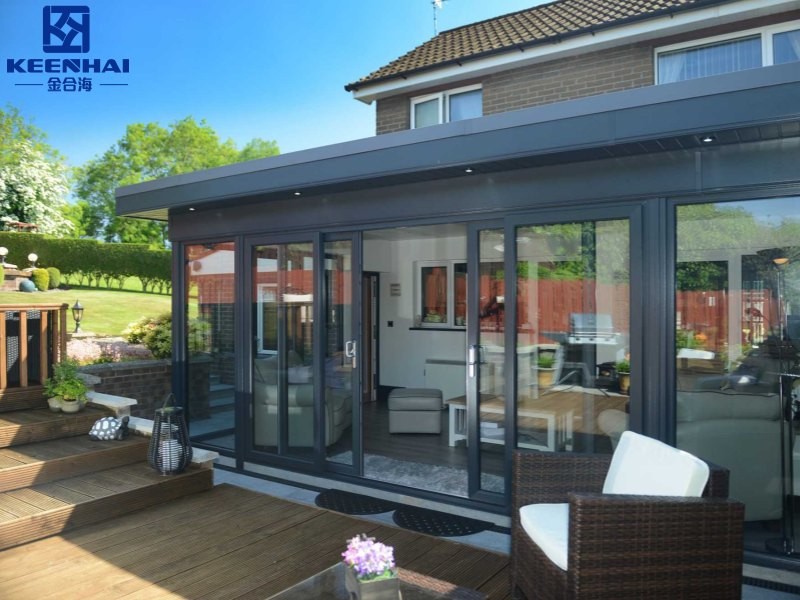
The thermal efficiency of an aluminum sunroom plays a crucial role in energy savings and comfort throughout the year. Aluminum frames, when paired with high-performance panels, minimize heat transfer while maintaining structural stability. In cold climates, thermal breaks within the aluminum frame reduce heat loss, while in hot climates, reflective coatings on glass or polycarbonate panels help block solar gain. A well-designed sunroom can lower heating and cooling costs by up to 25% compared to standard windowed enclosures, according to industry case studies. Homeowners installing a backyard aluminum sunroom often report more stable indoor temperatures and reduced reliance on HVAC systems, creating a more comfortable year-round environment without compromising natural light.
3.1 Insulation and Energy Efficiency of Glass
Glass panels offer exceptional clarity and energy performance, especially when double or triple glazed. Low-E coatings further enhance insulation by reflecting infrared heat back into the room during winter and keeping interiors cooler in summer. Key steps to optimize energy efficiency in glass sunrooms include:
-
Choosing double or triple glazing based on climate zone.
-
Installing thermally broken aluminum frames to prevent heat bridging.
-
Using spacer bars and sealants designed for high-performance glazing.
In practical scenarios, a modern Aluminum Sunroom with double-glass panels in a temperate climate maintains interior temperatures within a 2–3°C variance from the set thermostat, reducing energy consumption without sacrificing natural light.
3.2 Insulation and Energy Efficiency of Polycarbonate
Polycarbonate panels provide excellent thermal insulation while remaining lightweight and impact-resistant. Multiwall polycarbonate sheets trap air layers that act as natural insulators, achieving U-values as low as 1.5 W/m²K, making them suitable for year-round use. Installation tips for maximizing efficiency:
-
Align panels carefully to avoid gaps that allow air leakage.
-
Use UV-stabilized panels to prevent heat buildup and maintain clarity.
-
Seal edges with proper gaskets to minimize thermal bridging.
A suburban sunroom fitted with polycarbonate panels demonstrates minimal temperature swings even in direct summer sun, and cleaning or maintenance requires only occasional rinsing to maintain insulation performance. Combining polycarbonate with durable aluminum frames ensures long-term efficiency, reduced energy costs, and reliable comfort in both residential and light commercial applications.
4. Light Transmission and Aesthetics
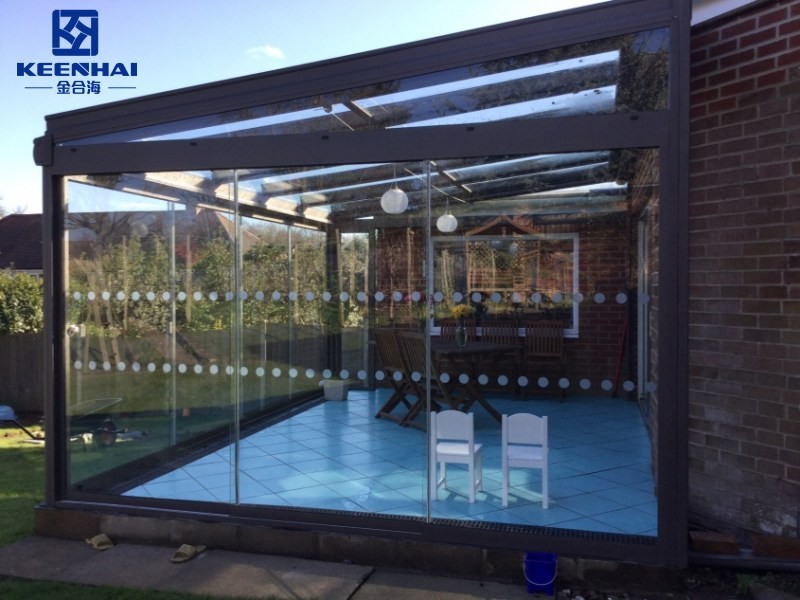
The quality of natural light and the overall visual appeal are critical when choosing a high-end aluminum sunroom. Properly designed aluminum frames paired with premium panels can transform outdoor spaces into bright, inviting areas. Glass and polycarbonate panels handle light differently, affecting ambiance, glare, and interior color rendering. Homeowners installing a custom aluminum sunroom often prioritize maximizing daylight while maintaining energy efficiency, which requires careful consideration of panel thickness, glazing type, and frame spacing. In practical applications, strategic placement of panels and frames can optimize light distribution while reducing hotspots, ensuring comfort throughout the day.
4.1 Natural Light Quality with Glass Panels
Glass panels provide superior clarity and true-to-life color rendering, allowing 80–90% of visible light to pass through unobstructed. Key installation steps to maximize natural light include:
-
Aligning panels with the sun’s trajectory to reduce shadowed areas.
-
Ensuring minimal frame obstruction by choosing slim aluminum profiles.
-
Using double or triple glazing to balance insulation and transparency.
A backyard aluminum sunroom with high-transmission glass demonstrates bright, evenly distributed daylight even during early morning and late afternoon, making indoor plants thrive and creating an inviting social space. Glass’s reflective properties also add a premium aesthetic, contributing to a modern, airy feel.
4.2 Natural Light Quality with Polycarbonate Panels
Polycarbonate sheets diffuse sunlight, reducing harsh glare while still allowing 60–80% of visible light to illuminate interiors. Multiwall polycarbonate panels create an air cushion that enhances both insulation and light scattering. Best practices during installation include:
-
Orienting panels to minimize direct sun angles that can cause hotspots.
-
Overlapping panels precisely to prevent light leakage or dark lines.
-
Using UV-stabilized surfaces to prevent yellowing and maintain clarity over time.
In practical terms, a polycarbonate sunroom in a sunny backyard maintains soft, consistent illumination, ideal for casual seating areas, children’s play spaces, or reading nooks. The material’s light diffusion contributes to a comfortable, glare-free environment while preserving outdoor views.
4.3 Visual Appearance and Design Flexibility
Aluminum frames combined with either glass or polycarbonate panels offer unmatched design versatility. Slim frame profiles allow expansive panel areas, enhancing panoramic views, while various finishes—from powder-coated metallic to matte colors—enable alignment with home exteriors. Design tips for aesthetic optimization include:
-
Mixing glass and polycarbonate panels for functional zoning (e.g., shaded vs. bright areas).
-
Incorporating adjustable louvers or retractable panels to control sunlight dynamically.
-
Selecting panel textures, tints, or coatings to achieve desired visual effects without sacrificing performance.
A modern Aluminum Sunroom Outdoor installation illustrates how combining materials and finishes enhances curb appeal, creates a visually cohesive extension, and supports flexible use of the space throughout the year. The interplay between light, transparency, and frame design ensures a stunning and practical outdoor living environment.
5. Cost Comparison
Understanding the costs associated with a high-quality aluminum sunroom is crucial for budgeting effectively. Both glass and polycarbonate options have distinct financial considerations that influence initial investment and long-term value. Installation costs can vary depending on panel type, frame finish, and project size. A well-constructed Aluminum Outdoor Sunroom with tempered glass panels typically ranges between $4,500 and $12,000 for a medium-sized backyard installation, while polycarbonate panels often reduce upfront costs by 15–25% due to lighter material and simpler handling.
5.1 Initial Installation Costs
Installation expenses are driven by material selection, labor, and additional features such as louvers, sliding doors, or insulation enhancements. Key steps that impact cost include:
-
Measuring and designing the sunroom layout to minimize panel waste.
-
Selecting frame coatings and panel thickness based on local climate.
-
Hiring certified installers or performing DIY assembly with detailed guidelines.
A medium-sized polycarbonate sunroom typically saves 10–20% on labor due to easier handling and faster installation, whereas glass requires careful alignment and handling, increasing both time and labor costs.
5.2 Long-Term Maintenance and Replacement Costs
Long-term costs vary with material durability and environmental exposure. Polycarbonate panels may require replacement every 10–15 years due to UV degradation or scratching, while tempered glass can last 20–30 years with minimal maintenance. Typical maintenance steps include:
-
Cleaning frames and panels 2–3 times per year to prevent dirt buildup.
-
Inspecting seals and fasteners annually to maintain airtightness.
-
Replacing damaged panels promptly to avoid water ingress or structural strain.
| Cost Factor | Glass Panels | Polycarbonate Panels |
|---|---|---|
| Initial Material Cost | Higher ($4,500–$12,000) | Lower ($3,500–$9,500) |
| Labor/Installation | Moderate to High | Moderate |
| Lifespan | 20–30 years | 10–15 years |
| Maintenance Frequency | Low (annual check) | Low to Moderate (annual cleaning + inspection) |
| Replacement Cost | Low (long lifespan) | Moderate (shorter lifespan) |
A well-planned aluminum sunroom project balances initial investment with long-term efficiency, ensuring both aesthetic appeal and financial practicality. Choosing between glass and polycarbonate depends on your priorities—premium clarity and longevity versus cost savings and impact resistance—while maintaining overall durability and comfort in your outdoor living space.
When choosing between glass and polycarbonate for an Aluminum Outdoor Sunroom, both materials deliver excellent performance, but your decision comes down to priorities. Glass offers unmatched clarity, superior sound insulation, and long-term durability, making it ideal for premium installations with panoramic views. Polycarbonate, on the other hand, provides high impact resistance, lighter weight, and excellent thermal insulation, which is perfect for areas prone to hail or for faster, more cost-effective installations. Ultimately, both materials integrate seamlessly with aluminum frames, ensuring a long-lasting, stylish, and comfortable outdoor space tailored to your needs.